
EDUCATION · MALAYSIA & SINGAPORE
Beyond the Classroom: A 7-Day STEM Education Journey Through Malaysia and Singapore
From a question to a working prototype: explore a seven-day school journey combining science discovery, proposed practical workshops and cultural experiences in Malaysia and Singapore.
Plan Your School’s STEM Journey →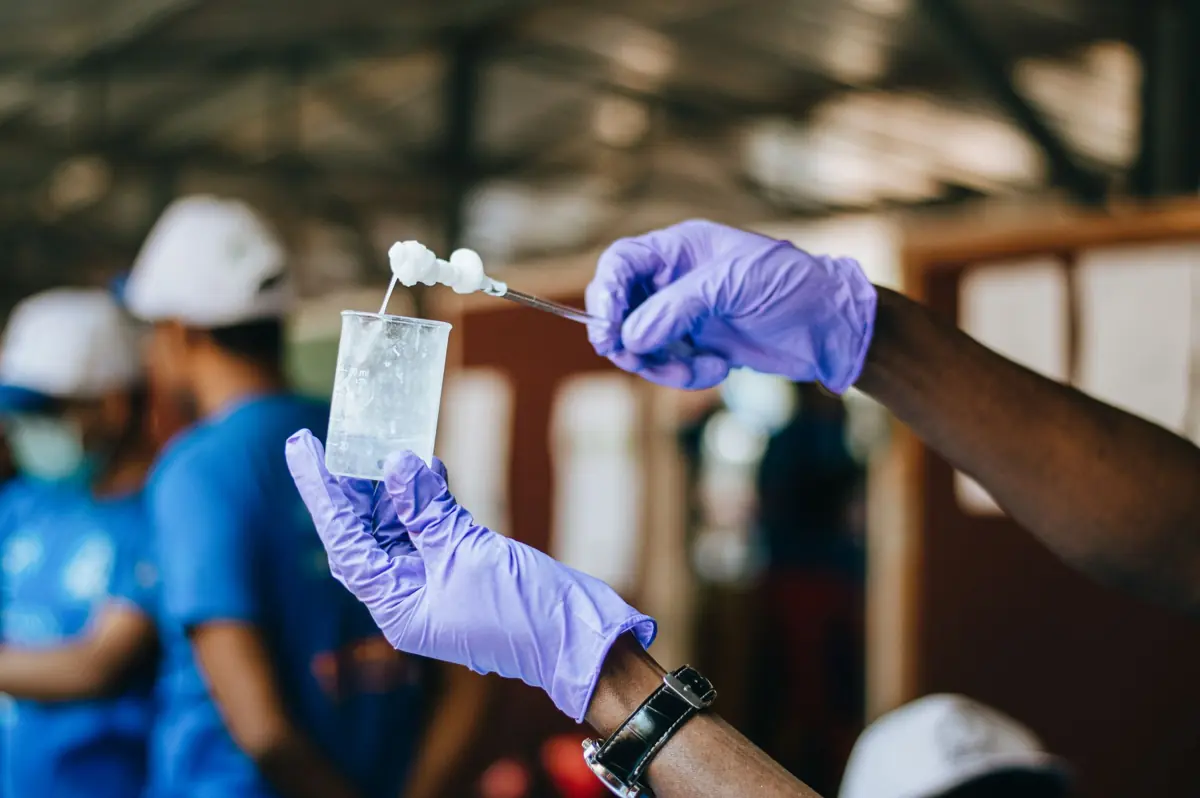
Students are growing up alongside artificial intelligence, automation, environmental challenges and more information than anyone can comfortably absorb. Knowing an answer is useful; knowing how to question it, investigate evidence and explain a decision is equally valuable. Schools can create opportunities for both, including carefully planned learning beyond the classroom.
STEM means Science, Technology, Engineering and Mathematics. On this customisable seven-day Malaysia–Singapore STEM education tour, a classroom concept might become an observation at an exhibit, a fair experiment or a prototype that needs another attempt. Students can practise asking questions, working together and describing what changed when they tested an idea. One journey cannot guarantee better grades, university admission or employment, but it can provide purposeful experiences to reflect on back at school.
Why STEM Learning Matters Today
STEM is relevant beyond engineering careers. Comparing evidence, understanding measurements and considering how technology affects people can support everyday decisions. UNESCO’s AI competency framework for students emphasises human-centred thinking, ethics and critical judgement. OECD’s discussion of science literacy similarly highlights explaining phenomena, evaluating investigations and interpreting evidence. These are useful directions for learning, rather than promises of a particular outcome from a tour.
AI and automation are changing work
Understand technology, question its outputs and consider responsible use.
Example activity: Try beginner coding or robotics, or compare an age-appropriate AI response with reliable evidence.
Online information can be misleading
Separate observation from assumption and look for evidence.
Example activity: Predict what will happen, run a fair experiment and explain whether the results support the prediction.
Climate, energy, water and waste need practical solutions
Measure resource use and discuss engineering trade-offs.
Example activity: Test a small solar-energy setup, build a water-filtration model or propose a waste-reduction design.
Classroom knowledge needs opportunities for application
Connect science and mathematics with observable results.
Example activity: Build a model bridge, measure its strength and improve one part of the design.
Complex problems require cooperation
Share responsibilities, test ideas and explain decisions respectfully.
Example activity: Complete a team design challenge and present the reasoning behind the final version.
For example, a bridge that bends under a small load gives students something concrete to discuss: was the span too wide, the joint weak or the test inconsistent? A result that differs from a prediction is a starting point for another question. Creativity and careful reasoning can work together; students do not need to be science specialists to contribute.
Why combine Malaysia and Singapore?
Malacca, Singapore and Kuala Lumpur offer different settings for noticing how people live, move and build. Heritage streets invite respectful questions about culture and architecture. City visits can prompt observations about transport, shade, public spaces and the use of water. Science centres then offer another way to explore scientific ideas through exhibits and, where separately arranged, facilitated activities. Cultural discovery remains valuable in its own right: a photo stop is not a formal engineering workshop. Teachers can connect these experiences through short conversations and a learning journal, without turning every moment into a lesson.
Your seven-day learning journey
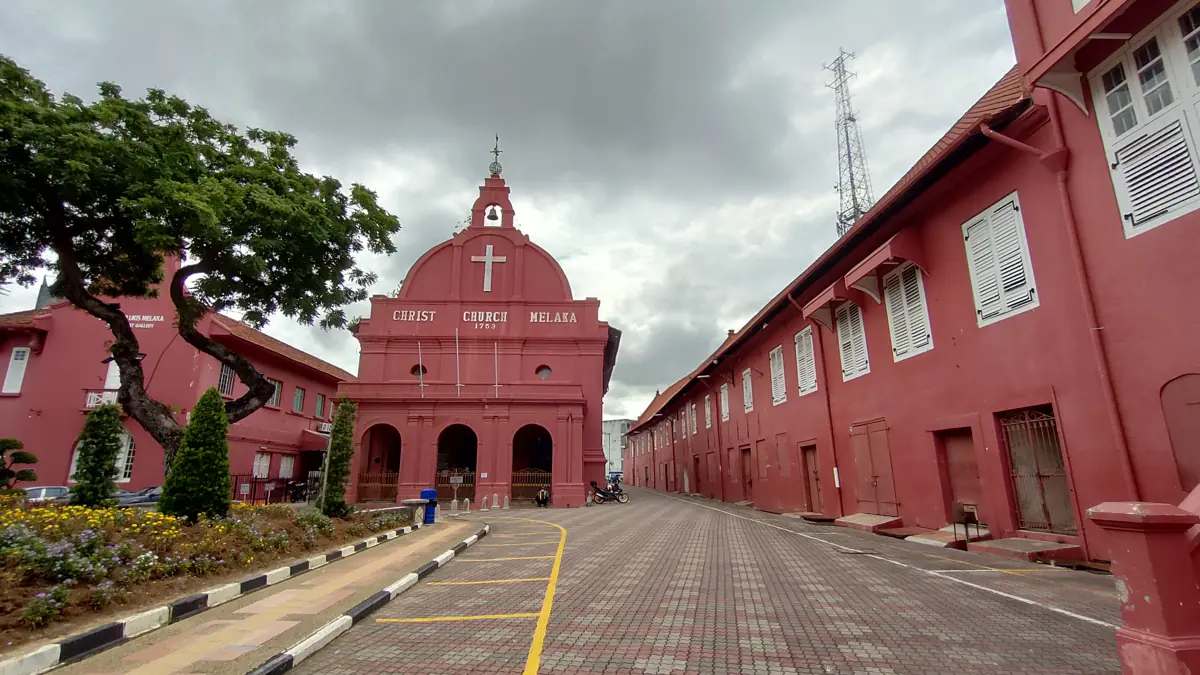
Day 1 — Arrival and Cultural Discovery in Malacca
Meet and greet at KLIA/KLIA2, then proceed to Malacca for a cultural tour. Introduce the group’s learning journal with a simple prompt: what did you notice, and what would you like to understand? Keep the pace appropriate to arrival times and students’ energy after the flight. No meals are specified for this day.
Learning focus: Observation, cultural understanding and starting a learning journal.
Overnight: Malacca hotel
Day 2 — Malacca, Johor Bahru and Singapore
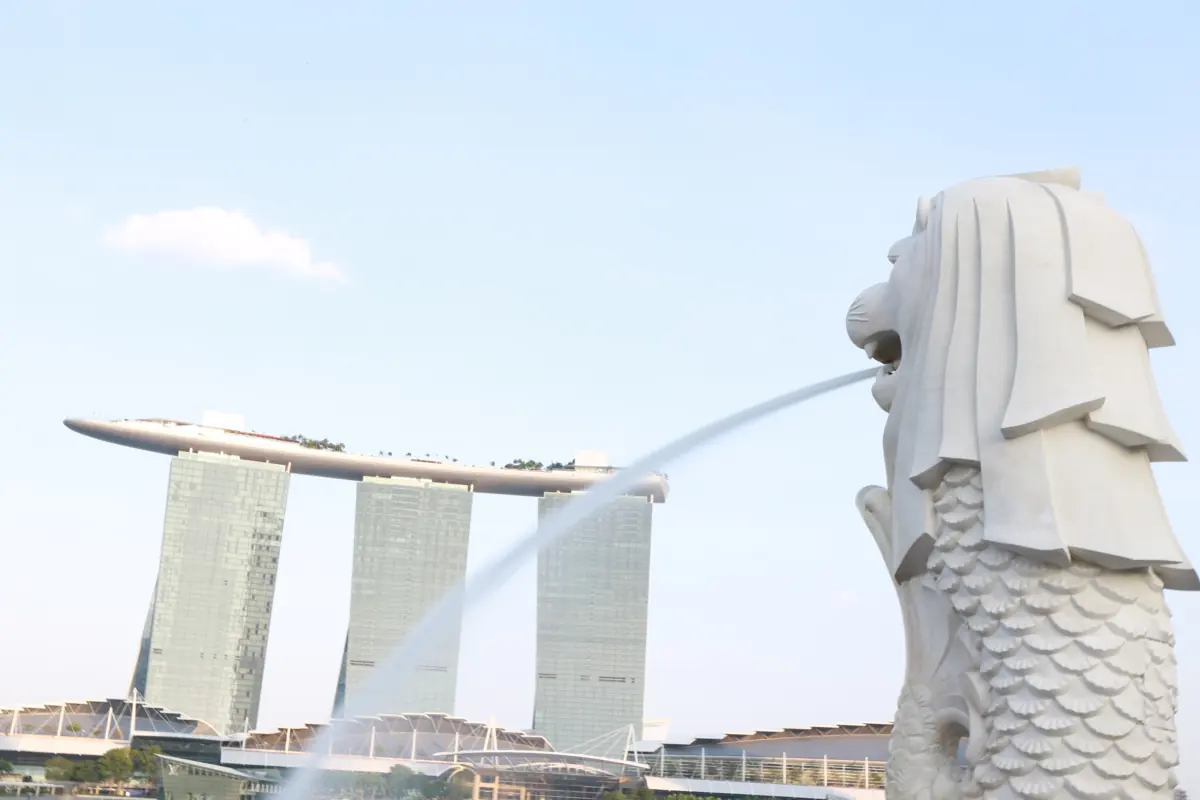
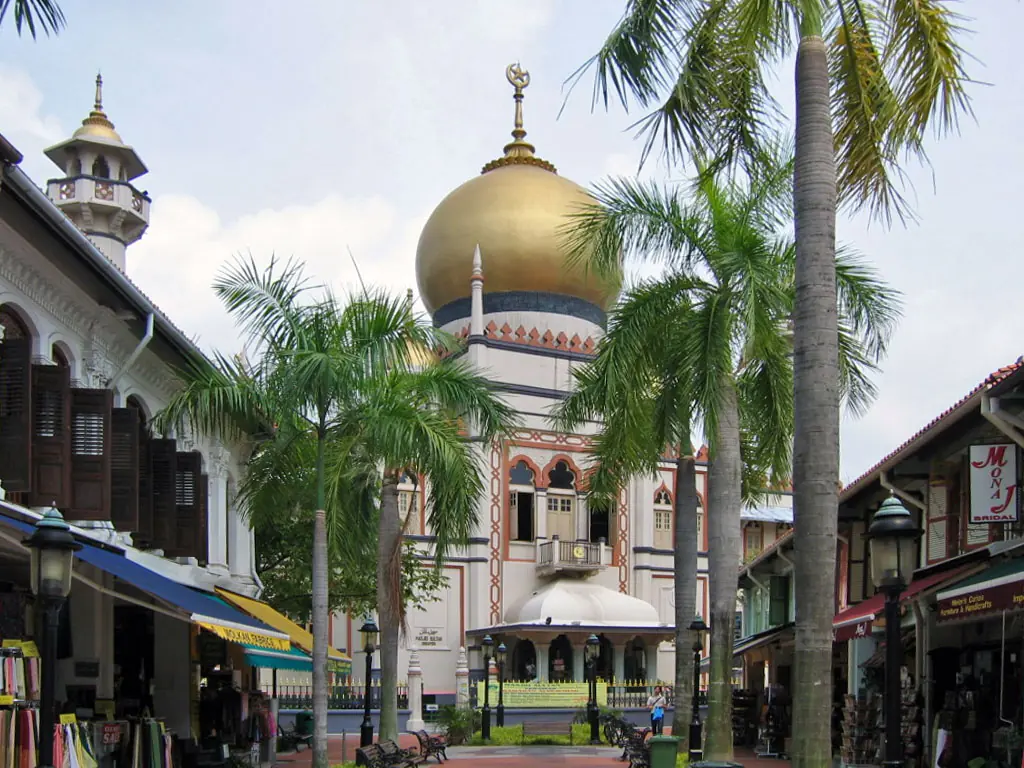
After hotel breakfast, proceed to Johor Bahru and have lunch at a local restaurant. Continue to Singapore for a city tour, visiting Merlion Park and exploring Kampong Glam. Include photo stops at Esplanade and Marina Bay Sands, followed by dinner at a Singapore restaurant. Border procedures and traffic must be allowed for before confirming the sightseeing sequence.
Learning focus: Cultural diversity and guided observation of the built environment.
Overnight: Singapore hotel
Day 3 — STEM Discovery in Singapore
After hotel breakfast, proceed to Science Centre Singapore for STEM and science-related educational study. Suitable options through Singapore Science Centre Global can be explored, subject to confirmation. Have lunch at a local restaurant before proceeding to Johor Bahru. General exhibition admission and a facilitated workshop are different arrangements: the workshop needs its own confirmed booking. The advertised one-day programmes cannot be assumed to fit before lunch; agree a feasible morning visit or a specifically confirmed shorter activity.
Learning focus: Inquiry, scientific observation and age-appropriate practical learning.
Overnight: Johor Bahru hotel
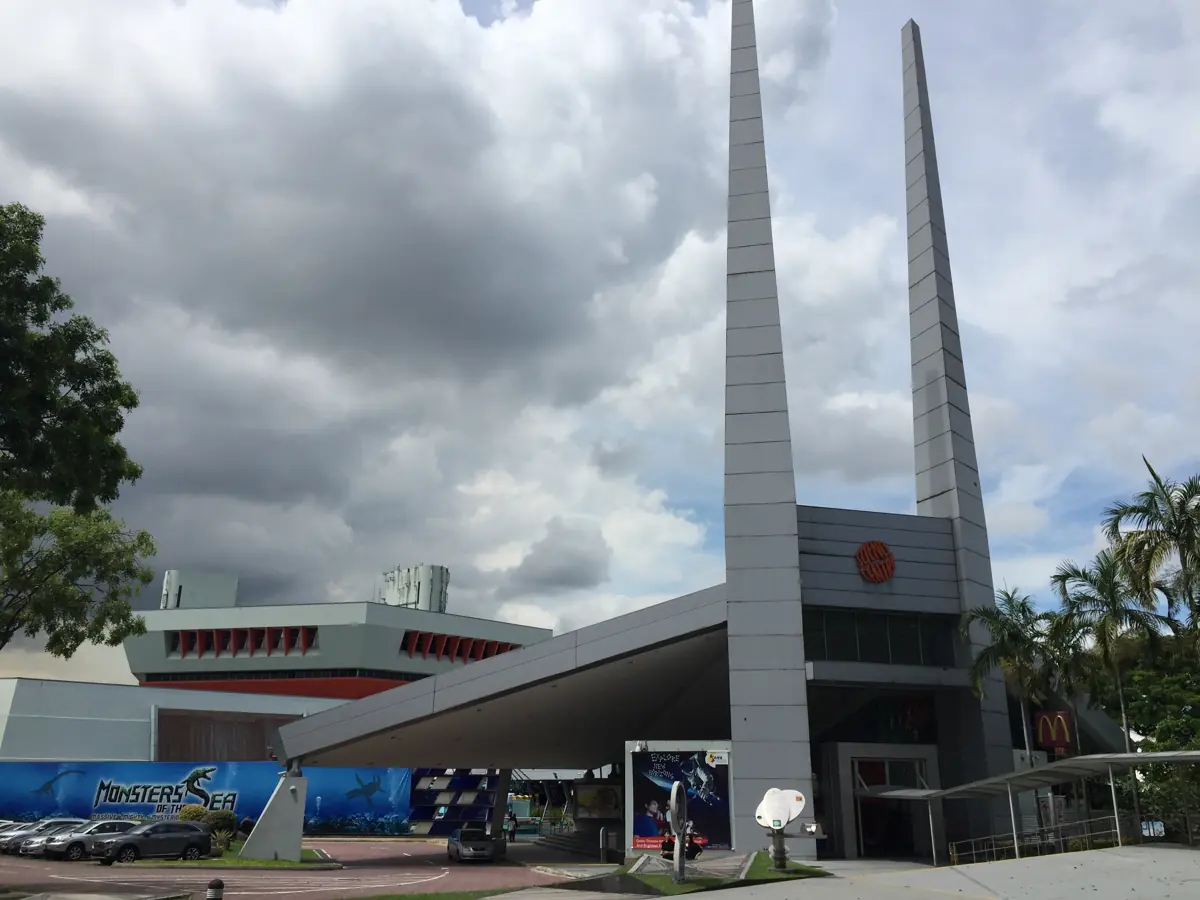
Day 4 — Kuala Lumpur Science Exploration
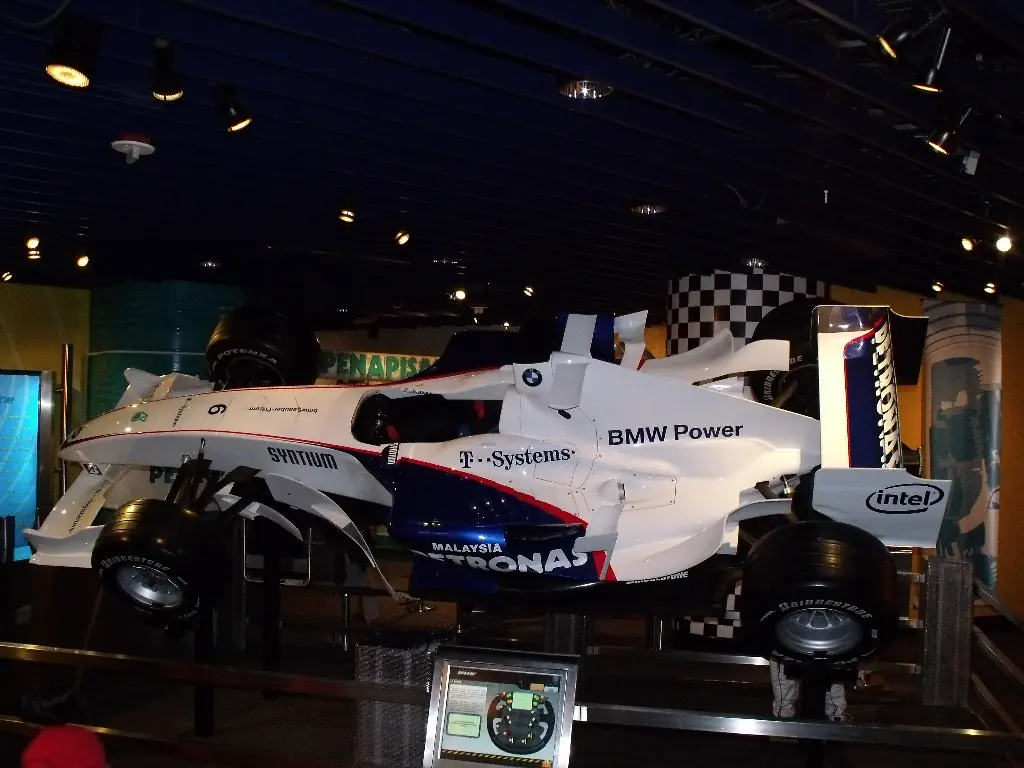
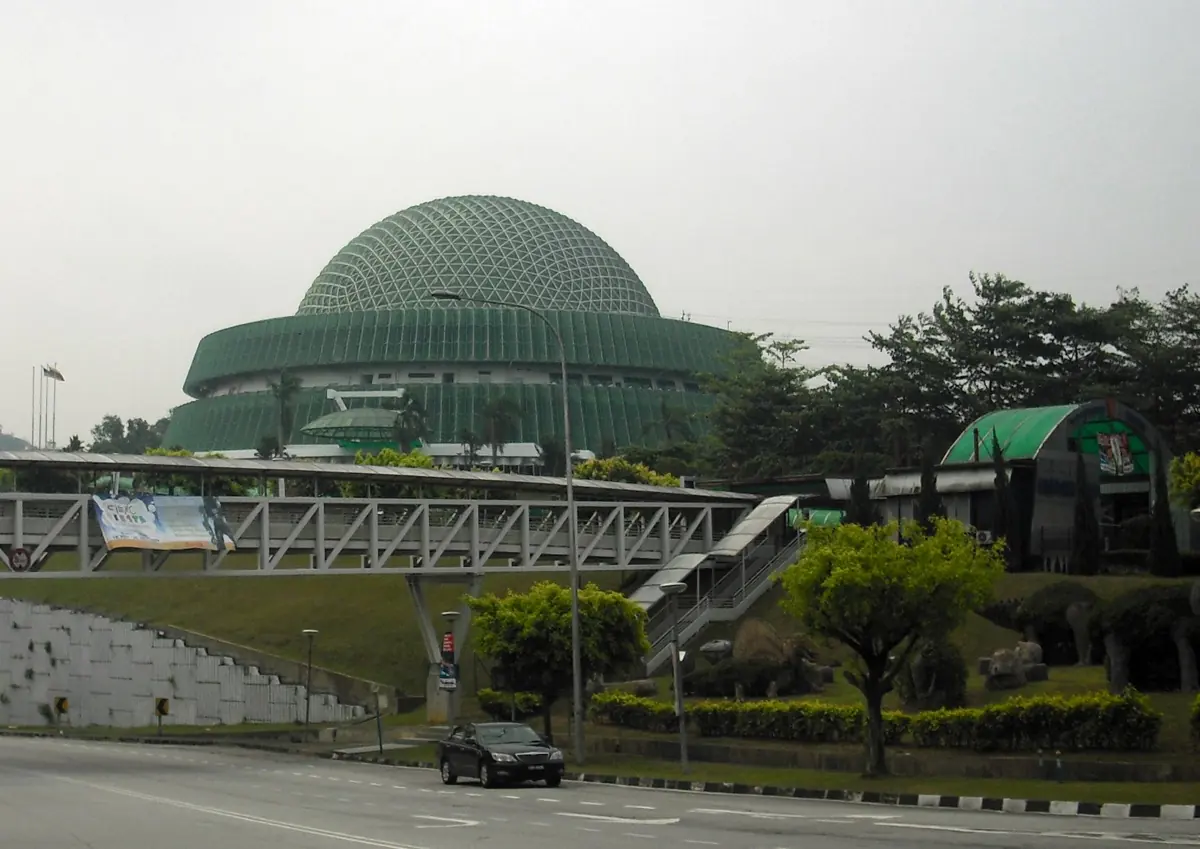
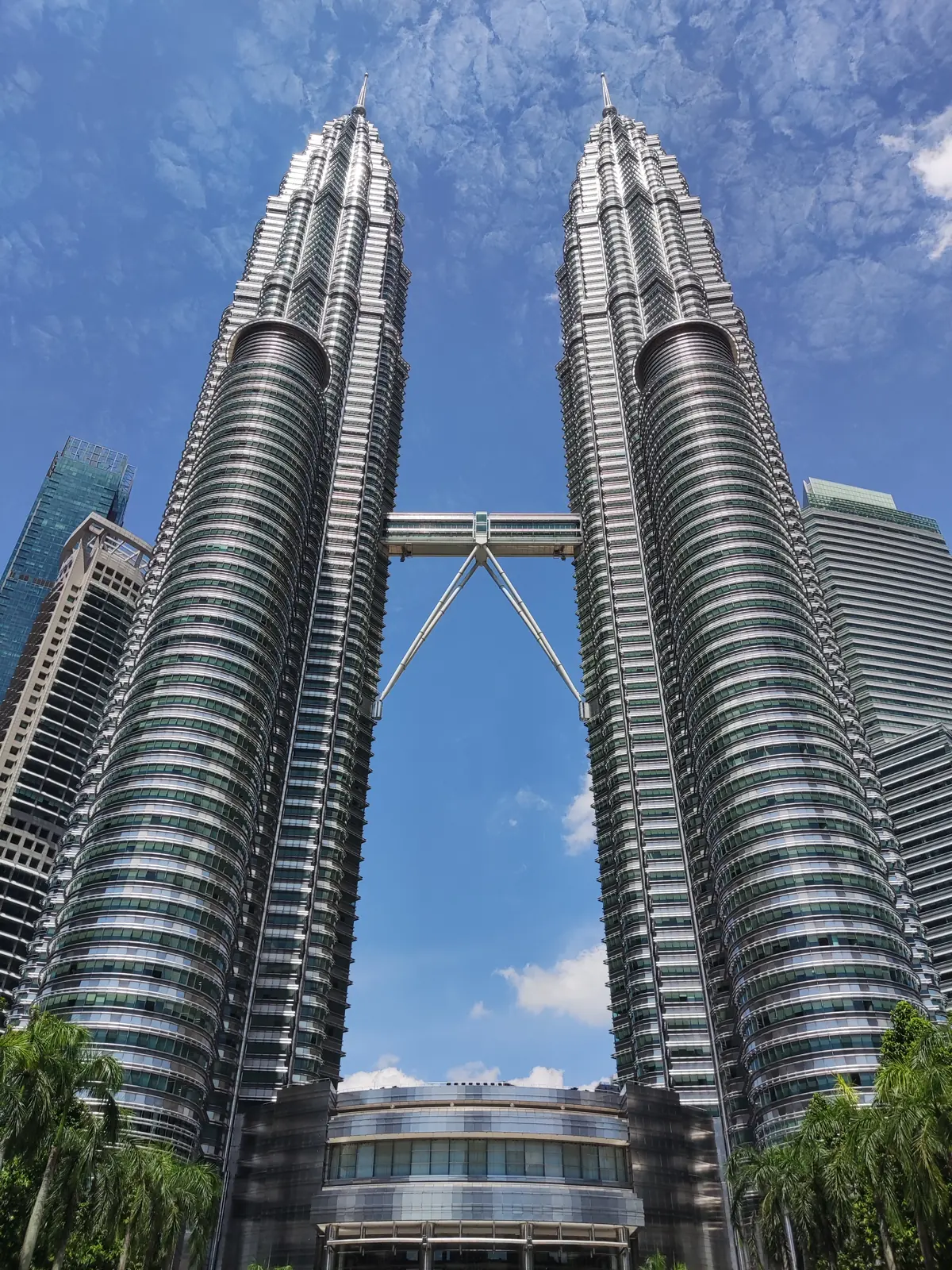
After hotel breakfast, proceed to Kuala Lumpur and have lunch at a local restaurant. The supplied programme proposes Petrosains and Pusat Sains Negara, subject to opening status and a feasible schedule, plus a PETRONAS Twin Towers photo stop. Dinner is at a local restaurant. This day needs an operational timing review: the intercity transfer and two science centres may leave too little time for meaningful visits. If necessary, agree with the school to move one centre to Day 5 or Day 6, adjusting that day’s proposed workshops explicitly.
Learning focus: Connecting scientific concepts with interactive exhibits and everyday applications.
Overnight: Kuala Lumpur hotel
Day 5 — Build, Code and Test
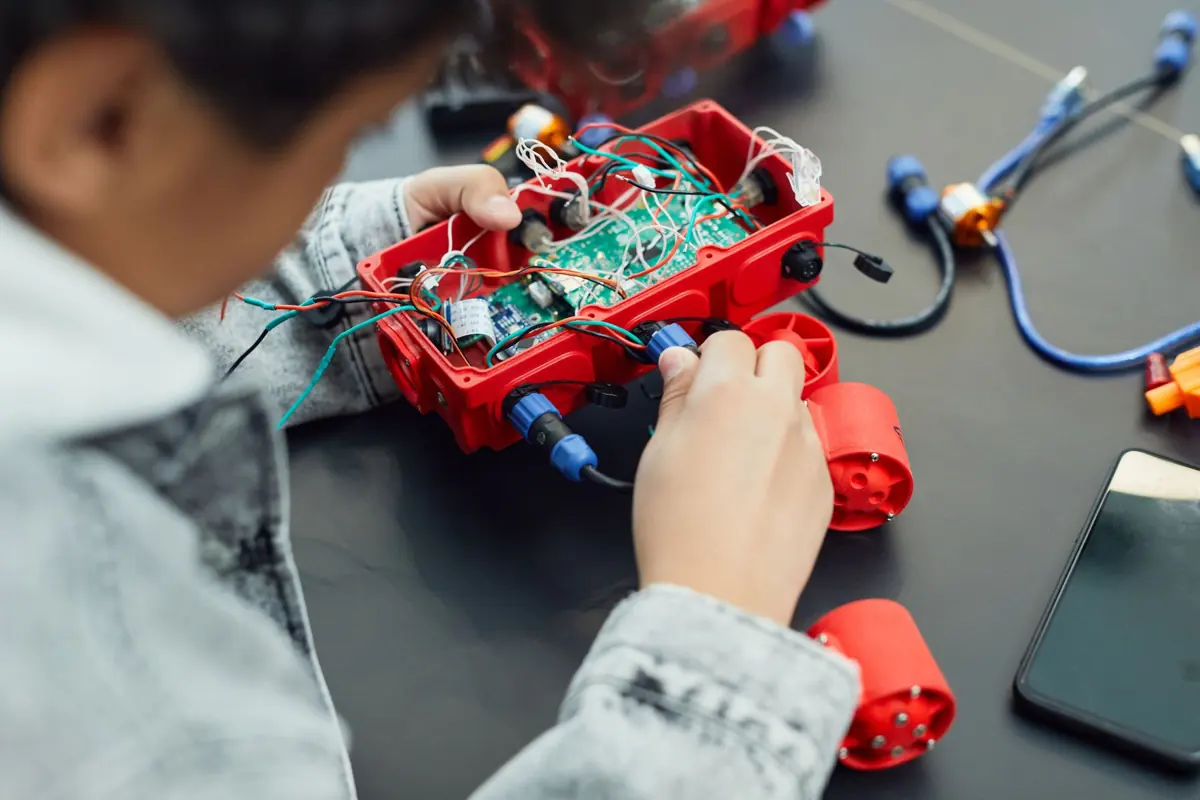
After hotel breakfast, take part in proposed STEM and science activities. A possible theme combines beginner coding or robotics with a simple engineering challenge: plan a model, test it, record a measurement and improve the design. Groups can rotate roles so that building, observing and explaining all receive attention. End with dinner at a local restaurant. Lunch is to be confirmed.
Learning focus: Logical thinking, measurement, debugging and teamwork.
Overnight: Kuala Lumpur hotel
Day 6 — Science for a More Sustainable Future
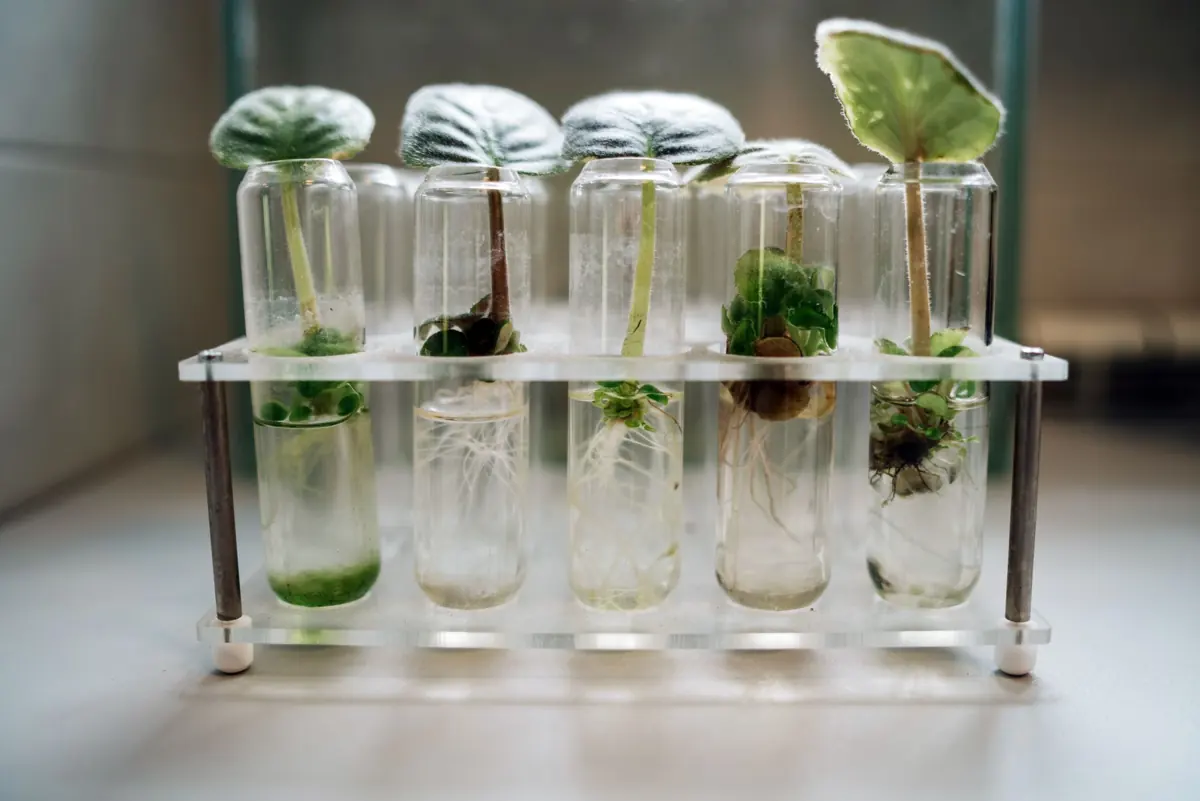
After hotel breakfast, continue with proposed STEM and science activities focused on renewable energy, water or environmental science. Teams might compare solar-panel positions or test a model filter, then present a design and explain its limitations. A classroom filtration model does not establish that water is safe to drink. Finish with reflection and dinner at a local restaurant. Lunch is to be confirmed.
Learning focus: Evidence-based decisions, sustainable design, communication and reflection.
Overnight: Kuala Lumpur hotel
Day 7 — Kuala Lumpur and Departure
After hotel breakfast, stop for photographs at Istana Negara and visit a local product shop before proceeding to KLIA/KLIA2 for the flight home. The tour ends at the airport. Fit the stops around flight and check-in times, leaving space for each student to identify one question or project to pursue at school.
Learning focus: Reflecting on discoveries and choosing a follow-up investigation.
Overnight: Departure day — no hotel night
Bring the learning home
Agree the proposed learning outputs with the school before departure. Upper-primary and secondary groups can use different levels of detail, based on age, prior knowledge, learning language and objectives. Beginners should have accessible roles and clear instructions; this journey is not reserved for high-achieving science students.
- A learning journal: questions, observations and short reflections from each setting.
- An experiment record: a prediction, the method, results and what might improve the test.
- A prototype or design sketch: a visible record of the idea and its revisions.
- A team presentation: the problem, proposed solution, test results and remaining limitations.
- A follow-up project: one question to investigate further after returning to school.
A short pre-trip discussion helps students choose questions. During the journey, a few minutes of reflection can connect separate experiences. Afterwards, teachers might invite groups to compare designs or explain why their first approach changed. These components should support the school’s curriculum without promising assessed credit or certificates.
Request a Customised Education Tour →Plan around the group, not just the attractions
Science Centre Singapore generally opens Tuesday to Sunday, with Monday exceptions for public and gazetted school holidays. Overseas and private-school arrangements require confirmation; local MOE school fees should not be assumed to apply. Agree the admission, facilitated activity, duration and group capacity before committing to Day 3.
Petrosains provides school field-trip and group-visit information. Confirm the selected date, current opening hours, arrival slot, time needed and any separately arranged activity directly through the booking process. Pusat Sains Negara’s published school-workshop guidance asks for at least two weeks’ notice and limits a session to 25 students. Confirm international-group eligibility and split-session arrangements. Its official pages show differing regular opening times, so reconfirm the actual slot as well as the renovation notice.
Allow realistic time for intercity travel, border procedures, rest breaks and airport check-in. Confirm entry requirements for each nationality using the relevant authorities. The proposal should also settle teacher supervision, rooming, accessibility, dietary needs and emergency arrangements. Hari-Hari is the travel organiser; mentioning a venue does not imply a partnership or endorsement.
Questions from schools and organisers
Which student ages is the journey suitable for?
Upper-primary or secondary groups can be considered. Share ages, prior learning and objectives so that activities, pace and supervision can be agreed.
Can beginners participate?
Yes, the proposed themes can include beginner participation. Confirm suitable activities and accessible roles with the selected facilitators.
Can we customise the workshops?
Tell us the topics and outcomes your school wants. Content, materials, duration, availability and any additional cost will be confirmed in the proposal.
Which learning languages are available?
Request your preferred teaching and guiding language. Facilitator availability and any interpretation need confirmation; a translated webpage does not guarantee that teaching language.
Can dietary requirements be accommodated?
Please share dietary and allergy requirements early. Suitable meal arrangements and any limitations must be confirmed with the restaurants and hotels.
Are teachers included?
Provide student and teacher numbers. The quotation will specify teacher places, accommodation and costs; complimentary places are not assumed.
Who plans the border crossing?
Hari-Hari can coordinate travel timings with the group. Passport, visa and entry requirements depend on nationality and circumstances and must be verified before travel.
What does the quotation include?
Request an itemised proposal covering hotels, transport, specified meals, admission, workshops and support. Flights, insurance, unlisted meals and other items are included only if expressly stated. No fixed price or all-inclusive package is implied here.
Discuss Your Learning Objectives
Share your group profile and the learning you want to encourage. Hari-Hari Travel will use these details to discuss a practical Malaysia–Singapore programme and the arrangements that need confirmation.
Discuss this journey on WhatsApp ↗Explore related journeys
Sources and planning references
Official information checked on 25 September 2026. Opening arrangements and programme availability must be reconfirmed for your dates.
Photograph sources and licences
Photographs are resized and converted to WebP; some are cropped for display. Illustrative workshop photographs do not show a previous Hari-Hari tour or a confirmed activity on this programme.
- Historic architecture in Malacca — Hweimeng · CC BY-SA 4.0 · 2022-04-07
- Merlion and the Marina Bay waterfront in Singapore — Chandu7299 · CC BY-SA 4.0 · 2016-03-15
- Kampong Glam in Singapore — Orderinchaos · CC BY-SA 4.0 · 2004-10-07
- Science Centre Singapore building — Smuconlaw · CC BY-SA 4.0 · 2015-11-21
- Pusat Sains Negara building in Kuala Lumpur — Auswandern Malaysia · CC BY 2.0 · 2009-09-01
- PETRONAS Twin Towers in Kuala Lumpur — Wee Hong · CC BY-SA 4.0 · 2023-07-15
- Exhibit inside Petrosains in Kuala Lumpur — Simon_sees · CC BY 2.0 · 2011-03-05
- Gloved hands demonstrating a science experiment — Ravi Kant · Pexels License
- Hands assembling an electronic or robotic project — Vanessa Loring · Pexels License
- Plant cuttings and roots growing in test tubes — Mikhail Nilov · Pexels License