
KUALA LUMPUR · HERITAGE & TRAVEL
Chinatown 1974: From Old Building to New Kuala Lumpur Tourism Landmark
A city’s next interesting stop does not always begin with a new building. In Petaling Street, one of Kuala Lumpur’s best-known historic districts, an ageing commercial property has found a new purpose. Chinatown 1974 brings food, wellness, boutique stays and rooftop views together in an eight-storey destination. For travellers, the appeal is the connection between the neighbourhood outside and the experiences within.
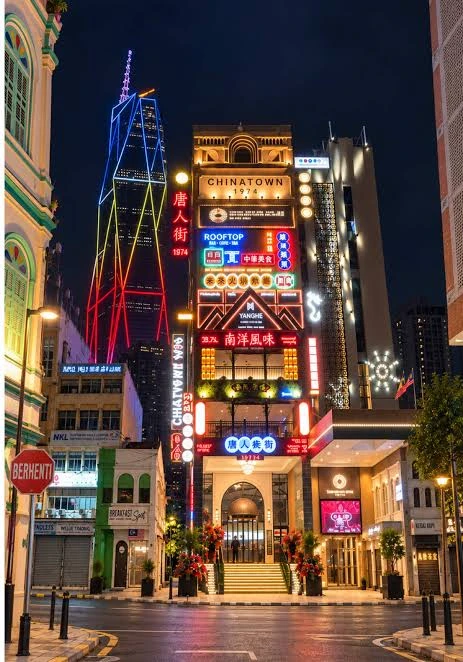
From ageing building to living heritage destination
Chinatown 1974 officially opened on 5 September 2026. RTM’s report of 24 September identifies the property as Bangunan Tunas Utama, an UDA-owned building more than 40 years old that had been unoccupied for five years. UDA’s own property listing identifies Bangunan Tunas Utama at 144–148 Jalan Petaling. These sources support the building’s identity; they do not establish that every original structural or decorative feature was retained.
This is a story of giving an existing urban asset a new role. Its value for visitors goes beyond refreshed interiors: dining, rest and overnight stays now offer different reasons to enter, pause and explore Chinatown. Old places can gain a new audience while keeping their neighbourhood’s cultural references in view.
Then & now: the same Jalan Petaling property
THEN · The earlier building
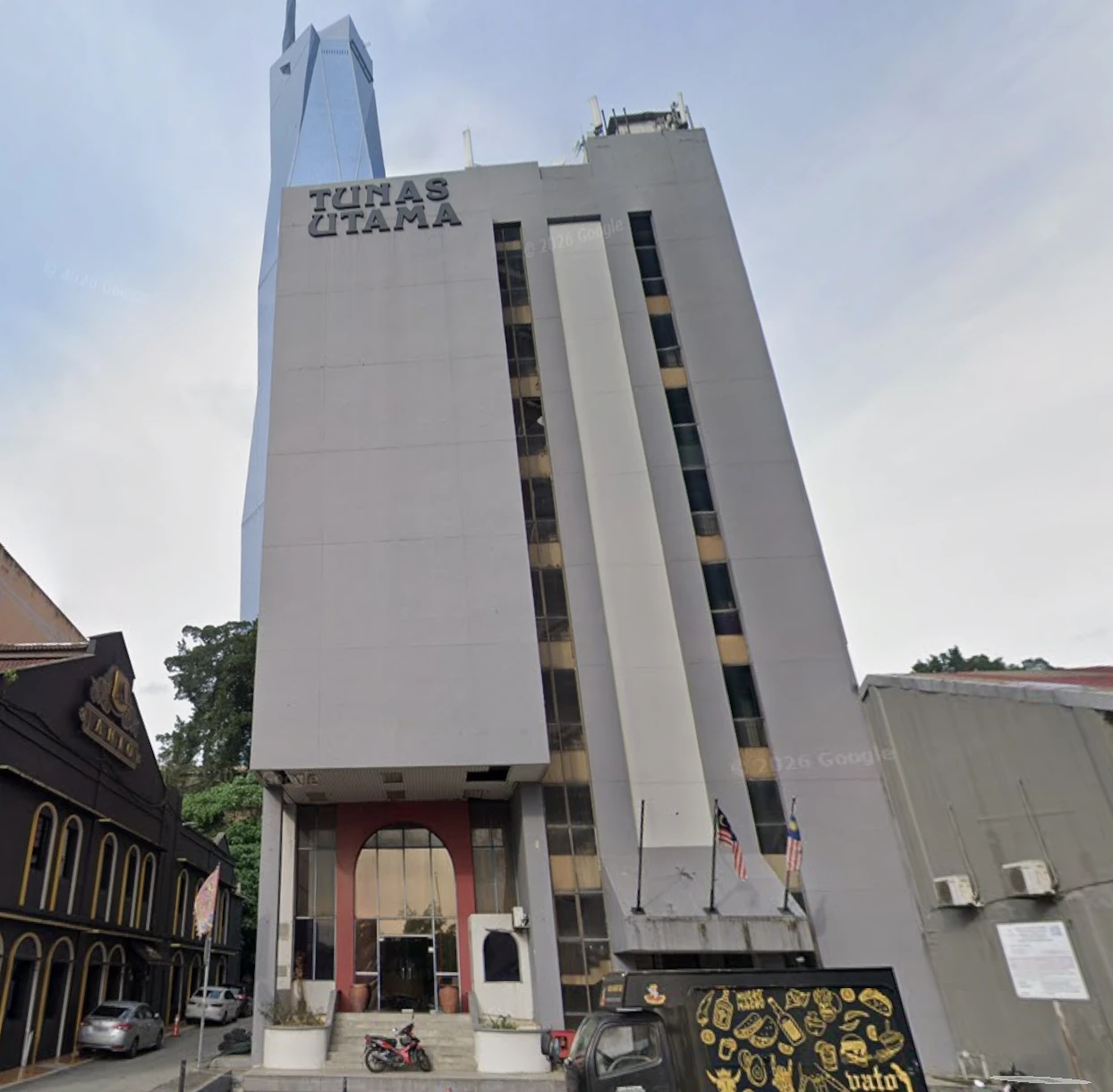
The ageing commercial property at 144–148 Jalan Petaling is identified by UDA as Bangunan Tunas Utama. RTM reports a period of vacancy before its revival.
NOW · Chinatown 1974
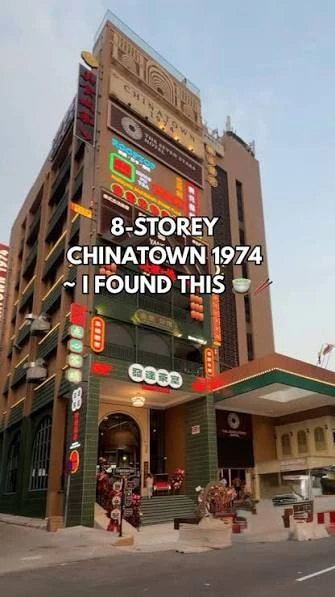
An eight-storey destination brings dining, wellness, boutique hospitality and a rooftop experience to the same address.
Old building vs Chinatown 1974 today
| Earlier property | Current visitor concept |
|---|---|
| An ageing commercial building | An eight-storey dining and hospitality destination |
| A period of vacancy, reported by RTM | Restaurants, wellness, accommodation and rooftop experiences |
| A property within the historic Jalan Petaling neighbourhood | A venue interpreting Chinatown culture through contemporary hospitality |
A vertical journey through Petaling Street
The venue calls its concept “MOVING THROUGH TIME”. Its official account draws on the everyday rhythm of 1970s Chinatown: work in shophouses, shared meals, neighbourhood places to rest and rooms above the street. Instead of presenting a frozen museum scene, it interprets that rhythm across successive floors. Food begins the journey; relaxation, accommodation and city views extend it.
- PAST · An existing city building
- TRANSFORMATION · A new hospitality concept
- PRESENT · Food, stays, wellness and views
- POSSIBILITY · More reasons to explore old KL
Eight floors, different experiences
The official directory lists the following visitor concepts. Floor numbering is reproduced as published; no attraction is assumed for an unlisted level.
Ground floor & mezzanine · Huat n Co.
A modern Malaysian Muhibbah kopitiam: an approachable introduction to the social side of local dining. The concept centres on familiar Malaysian flavours and people gathering around a table. Ask about current dishes and dietary needs before ordering.
Level 1 · Thirty-One Mansion
Nanyang-inspired dining pairs dim sum with Gongfu tea culture. It offers a chance to talk about the regional influences behind Malaysian food while taking time over small dishes and tea.
Level 2 · Xi Ju
Nanyang charcoal fish hotpot adds a communal dining option. Confirm menu choices, allergies and group seating in advance; a shared meal works best when the arrangements suit everyone at the table.
Level 3 · Yang He Wellness Pavilion
Foot massage and spa facilities offer a slower-paced break after exploring the city. Treatments are optional wellness experiences, with suitability and appointment availability to be checked directly.
Levels 5–7 · The Seven Stars Hotel
Heritage-inspired boutique accommodation gives visitors the option of staying within Chinatown. The appeal is the neighbourhood setting and period-inspired atmosphere. Hari-Hari can enquire about rooms, access and travel arrangements for your dates.
Rooftop · Twilight Terrace
Specialty drinks and skyline views complete the upward journey. The official concept emphasises the change from daylight to evening. Contemporary reporting describes an alcohol-free rooftop; confirm the current beverage policy when booking. Views towards Merdeka 118 and the surrounding city create a striking contrast with Petaling Street below.
Chinatown 1974 photograph — permission / licensed image required
Chinatown 1974 photograph — permission / licensed image required
Chinatown 1974 photograph — permission / licensed image required
Chinatown 1974 photograph — permission / licensed image required
Why 1974 feels different: old KL meets new KL
Heritage-inspired hospitality is not the same as a claim of protected architectural status. Here, the interesting idea is how food, design and familiar social rituals can give a contemporary venue a sense of place. Inside, visitors encounter references to earlier Chinatown life. Above, the modern skyline brings the present back into view. That contrast makes an engaging Kuala Lumpur cultural experience without treating the district as a museum.
How old buildings can create new tourism value
Adaptive reuse means finding a new use for an existing building. Done well, it can help older districts remain active, support nearby businesses and create work in hospitality. A mix of daytime and evening activities can also encourage visitors to stay longer. These are potential benefits of urban revitalisation, not measured outcomes claimed here for Chinatown 1974. The useful question is how a renewed property can serve its neighbourhood as well as its guests.
Why Hari-Hari Travel recommends Chinatown 1974
Consider it as one stop within a wider Kuala Lumpur heritage itinerary. You can explore kopitiam culture, Nanyang food traditions, contemporary heritage styling and rooftop views in one address. Pair it with Petaling Street and Central Market rather than letting an indoor visit replace the surrounding neighbourhood. Families may prefer a relaxed meal; private groups can add time for tea or photographs. Overnight guests can enquire about the boutique hotel.
A visual story, from street to skyline
Look for the contrast between the streetscape, heritage-inspired interiors, food presentation and rooftop city views. Launch coverage also describes a mural staircase that follows cultural references through time. Ask before photographing staff or guests, respect restricted areas and keep stairs clear. The distinct image spaces below identify the photographs to add once permission is obtained.
Chinatown 1974 photograph — permission / licensed image required
Chinatown 1974 photograph — permission / licensed image required
Experience Chinatown 1974 with Hari-Hari Travel
Hari-Hari Travel & Holidays Sdn. Bhd. is a MOTAC-licensed Malaysia inbound travel agency and DMC, licence 12654. We can discuss Chinatown 1974 as part of a customised Kuala Lumpur programme, coordinating transport, guiding and itinerary timing. Venue bookings and specific services remain subject to confirmation; Hari-Hari does not own or operate Chinatown 1974.
Malaysia DMC services · Private Malaysia tours · Malaysia group tours
Suggested route: Old & New Kuala Lumpur
Merdeka Square → Central Market → Petaling Street heritage walk → Chinatown 1974 and a Malaysian meal → rooftop views → KLCC or another evening programme. This is an itinerary idea, not a fixed daily departure. Adjust the sequence to traffic, weather, walking ability, meal reservations and venue access.
Ideas for corporate and incentive groups
A shared meal, welcome gathering, small networking evening, optional wellness break or boutique stay may fit a corporate programme. These are possibilities to explore, not confirmed group products. Hari-Hari would first check capacity, private-space availability, menus, coach access, accessibility and pricing with the venue before offering an arrangement.
A learning example of heritage & urban innovation
For tourism, hospitality, architecture, urban studies or business students, the building can be an observation stop and case study. Discuss adaptive reuse, destination branding, food tourism, entrepreneurship and visitor experience design. Students might compare how street-level activity connects with different uses above it. This is not an advertised official educational programme; any hosted visit, presentation or group access needs separate agreement and appropriate supervision.
Before you visit
Address: Lot PT 53, 144–148 Jalan Petaling, City Centre, 50000 Kuala Lumpur. The official contact is +60 10-666 1974. Different outlets have different hours, and the official visit page currently contains inconsistent time listings. Confirm your chosen outlet’s opening time, reservations, accessibility and rooftop access before travelling.
Launch information describes Muslim-friendly dining and work towards halal certification. That does not establish current certification. Check the relevant outlet’s certification and food preparation arrangements directly if these are important for your group. Do not assume that alcohol-free and halal-certified mean the same thing.
Discover old & new Kuala Lumpur with Hari-Hari Travel
Want to experience Kuala Lumpur beyond the usual sightseeing route? Hari-Hari Travel can create a customised journey combining heritage districts, Malaysian food, contemporary attractions and new experiences such as Chinatown 1974.
Sources & editorial notes
Checked on 14 October 2026 against the official venue directory, UDA property information and the reporting linked below. Historical claims are attributed; proposed tourism benefits and itinerary ideas are Hari-Hari’s editorial interpretation. Photo slots will be replaced only with genuine images cleared for publication.